
Last War Survival
Popular Games
Last Played
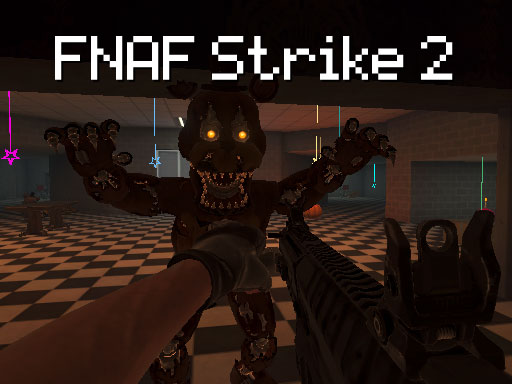
When players search for fnaf 2 poki, they’re really hunting for an accessible way to experience the iconic Five Nights at Freddy’s 2 loop—fast, lightweight, and playable on a broad range of devices. That search intent is all about convenience: instant loading, minimal friction, and a cozy browser window that still delivers heart-in-throat jump scares. The charm lies in the tension between how simple the verbs are—look, listen, mask, flash—and how punishingly precise the timing becomes as nights escalate. It’s horror reduced to elegant essentials: read the room, respect sound cues, and act before panic steals your window.
Five Nights at Freddy’s 2 isn’t just another sequel; it’s a prequel that reframes the mythos. You’re stationed in a brighter, busier pizzeria, where toy animatronics and withered classics share cramped real estate with your nervous system. There’s no power meter this time, which initially feels liberating—until you realize resource pressure simply moved to a different axis: flashlight battery, mask timing, and vent management. The infamous Phone Guy messages drip-feed lore and practical warnings, but the real narrative happens in the beats between noise and silence—posters shifting, static chuckles, the faint skitter in a vent that tells you exactly how long you have to save yourself.
The loop rests on four pillars: scanning security cameras to anticipate paths, dropping the Freddy mask to fool Toy models, flashing the light down the hallway to deter Foxy, and staying calm enough to weave those actions together under duress. The design pushes situational awareness over brute reflex. Flip to the wrong camera at the wrong time and you’ll eat up precious seconds that should’ve been spent masking for a vent intruder. Spam the flashlight and you’ll drain it before the midnight troublemakers hit their stride. Discipline is the hidden stat; panic management is the hidden boss.
Toy Freddy, Toy Bonnie, and Toy Chica respect the mask mechanic; Foxy demands the hallway flash; Balloon Boy destroys your safety net by disabling the light; Mangle force-multiplies chaos through audio bait; the withered crew pressure-test your reaction to surprise office pop-ins. Each animatronic broadcasts its AI pattern through posture, camera routes, or signature sounds. The game is scary because it’s readable, not because it’s random.
Night 1: learn the board. Keep camera checks shallow—music source plus quick hallway peeks—and practice mask drops from muscle memory. Night 2: add Foxy discipline; think in three-beat rhythms (check—mask—flash). Night 3: the withered models join the party; prioritize instantaneous masking on office flickers. Night 4: tighten the loop; reduce unnecessary camera dwell; conserve flashlight battery for the last two in-game hours. Night 5+: assume every sound has meaning and every second has a cost.
The appeal of a quick-to-launch browser session underscores the importance of crisp input timing and clear UI feedback. You need snappy camera flips, reliable mask toggles, and a flashlight that never misfires. A good run feels like conducting a twitchy orchestra: you’re not reacting randomly; you’re sequencing.
In FNAF 2, audio cues telegraph everything: vent crawls, hallway footsteps, Mangle’s radio static. Treat the soundscape like a radar. If you must choose between an extra camera check and respecting a vent rustle, choose the sound. Build habits: one camera wind, hallway flash, then a short pause to “hear the room.”
Without a global power meter, the flashlight battery becomes your ticking clock. Think in conservation tiers: early hours use sparing pulses to map threats; mid hours use stepped flashes to hold Foxy in check; late hours switch to minimalist taps, leaning on mask-first defense to buy time. Flash with intent, or don’t flash at all.
The Freddy Fazbear mask solves some problems and creates others. It buys safety against Toy models and quick withered pop-ins, but each mask drop steals seconds from music upkeep and camera intel. Train a snap-on, snap-off rhythm—fast enough to survive, brief enough to keep the wider loop intact.
Map your “home” camera, memorize the route of critical threats, and practice mask drops until they’re automatic. Set micro-goals—survive to 3 AM with 50% flashlight, execute perfect masks on three office flickers, keep Foxy stationary for two full cycles. Treat early losses as labeled training data.
Use cursor anchoring to reduce travel between monitor and mask. Favor peripheral vision camera checks—open, glance for one decisive tell, close. Batch actions: wind → flash → mask test in one compressed cadence. Practice “mask buffering”: be ready to drop it the instant the monitor goes down when you sense an office arrival.
Balloon Boy removes your light and hands you to Foxy. Counter by prioritizing vent checks on his cycle and refusing to burn light when you hear him nearby. Mangle complicates this with constant audio presence; answer with faster music upkeep and mask readiness.
In quiet stretches, visual checks carry the weight: camera routes, hallway silhouettes, office flickers. As chaos rises, audio must take precedence. If you’re torn between winding and answering a vent scrape, answer the scrape; there’s no sense preserving tomorrow’s safety at the cost of today’s survival.
Run two or three high-intensity attempts, then step back for a minute. Treat each set like interval training for nerves. Remember, the game is a timing puzzle wearing a horror mask; solve the timings, and the fear shrinks to size.
The second game’s brighter aesthetic is a trick—it lulls you into lowering your guard, then nails you with more aggressive AI patterns. Posters, minigame teases, and Phone Guy scripts enrich a larger mystery about broken promises and haunted mascots.
Once clears feel consistent, invent goals: zero unnecessary camera dwell, keep flashlight above 40% at 4 AM, survive a full night with no hallway over-flashing. Constraints expose sloppy habits and tighten the loop.
On desktop, prioritize mouse precision and a stable DPI so mask drops are identical every time. On laptops, disable gestures that could tab you away. On touch, minimize UI clutter and practice shorter camera exposures; fingers obscure more of the screen than a cursor.
If you’re sensitive to flashes or intense audio, lower brightness and jump-scare volume while boosting ambient cues. Some players benefit from counting beats between hallway flashes or vent checks to externalize rhythm.
The reason Five Nights at Freddy’s 2 still clicks is the marriage of readable systems and escalating pressure. You can play a hundred nights and still find new micro-optimizations: a faster mask lift here, a safer flash cadence there. Horror usually trades in spectacle; this series trades in discipline.
Wind when safe, never when scared. Flash with purpose, not hope. Mask on flicker instantly, then lift decisively. Triage audio over visuals when overwhelmed. Anchor the cursor near mask and monitor hotspots. Cut curiosity checks. Respect Balloon Boy by starving him of opportunities. Defuse Foxy with consistent hallway pulses.
Treat every loss as labeled data: “over-flashed,” “late mask,” “vent neglect.” Fix one error per attempt and stack small wins until nights fall consistently. Mastery is not an absence of mistakes; it’s a reduction in repeat mistakes.
For quick, comfortable sessions that slot neatly into a busy day, a browser-friendly approach on poki76.com makes the loop approachable without sanding down the tension that defines the experience. You still juggle flashlight battery, mask timing, and camera triage; you just do it in a tab you can open in seconds. If you came here searching for fnaf 2 poki, the takeaway is simple: accessibility and mastery can coexist.
Five Nights at Freddy’s 2 remains a minimalist masterclass in resource management, pattern recognition, and nerve control. Whether you’re taking a study break or chasing a flawless Night 6, the recipe for success never really changes: breathe, sequence, and commit.


